


Ever wondered why your jeweler gets a bit shifty when you ask about lab-created diamonds? That’s because they’re sitting on a mountain of overpriced natural diamonds they need you to buy.
Let’s cut through the nonsense. Lab-created diamonds vs natural diamonds isn’t just about price tags – it’s about whether you want to pay 40-70% more for essentially the same thing.
The truth? These lab-grown beauties are chemically and optically identical to mined diamonds. You literally cannot tell the difference without specialized equipment. Not even professional jewelers can spot it with the naked eye.
I’m about to show you exactly why the Indian diamond industry is sweating bullets over lab-created diamonds – and how this knowledge can save you lakhs on your next jewellery purchase.
The Science Behind Diamonds
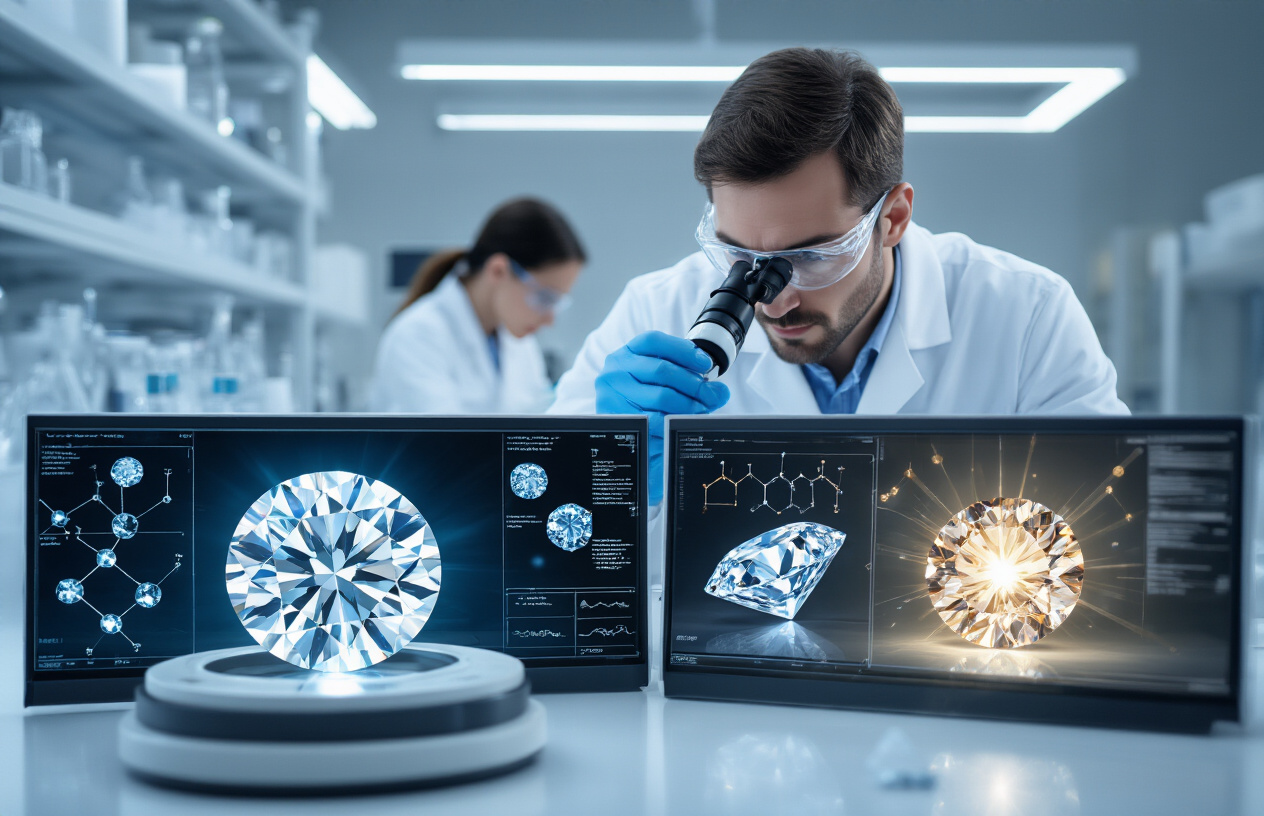
Formation of Natural Diamonds
Ever wondered why natural diamonds cost a fortune? They formed billions of years ago, deep in Earth’s mantle under crushing pressure and scorching heat (1,500°C). Carbon atoms literally got squeezed into crystalline perfection before volcanic eruptions blasted them to the surface.
The Lab Creation Process
Lab diamonds? Same stuff, different day. Scientists replicate Earth’s natural process using two methods: High Pressure-High Temperature (HPHT) or Chemical Vapor Deposition (CVD). Both start with a tiny diamond seed and add carbon layers until—boom—full diamond in weeks instead of billions of years.
Price Discrepancies Explained
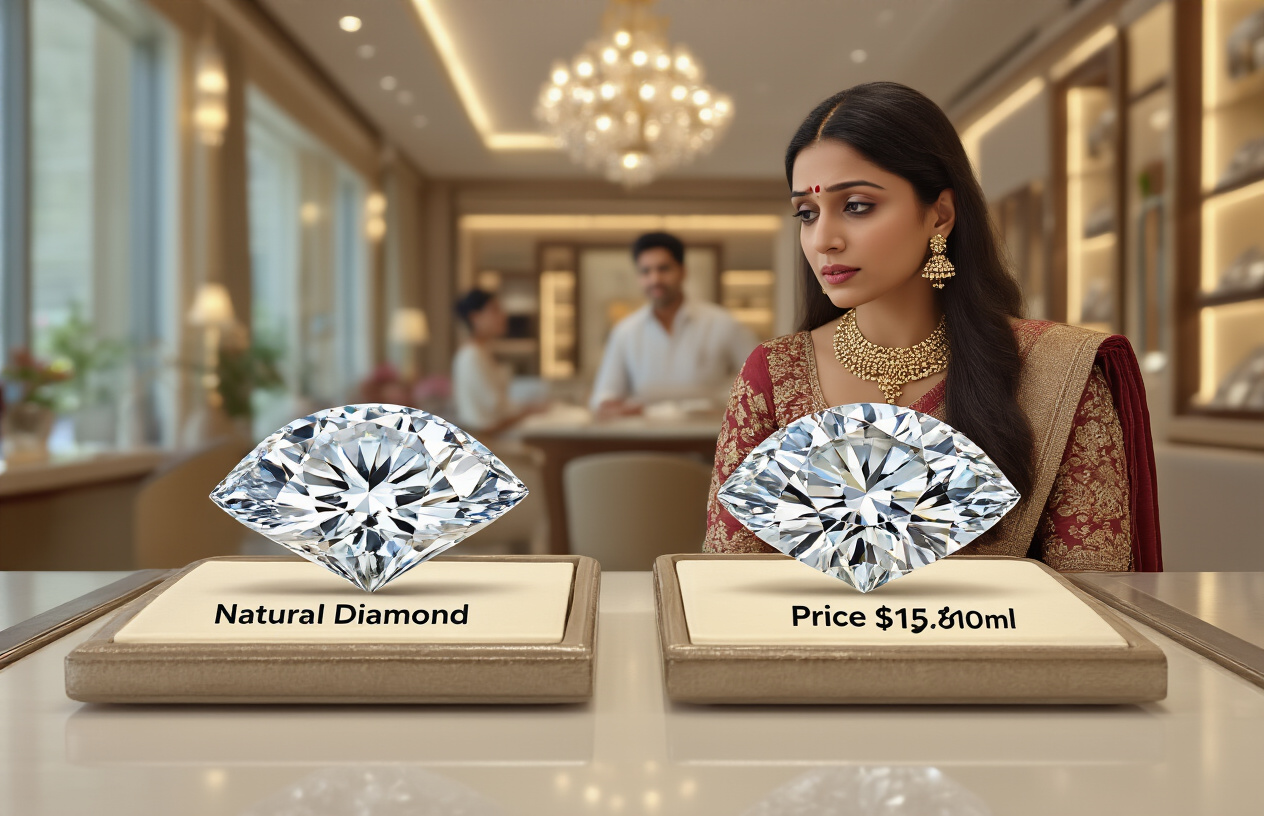
A. Cost Factors for Natural Diamonds
Natural diamonds cost more because you’re paying for their rarity and the extensive mining process. From extraction to cutting, each step drives up the price. Plus, there’s the whole marketing machine behind them, making you believe they’re worth every penny.
B. Price Structure of Lab-Created Diamonds
Lab diamonds cost 40-60% less than their mined counterparts. Why? They skip the mining, have shorter supply chains, and face less artificial scarcity. The tech is getting cheaper too, which keeps pushing prices down year after year.
Ethical Considerations
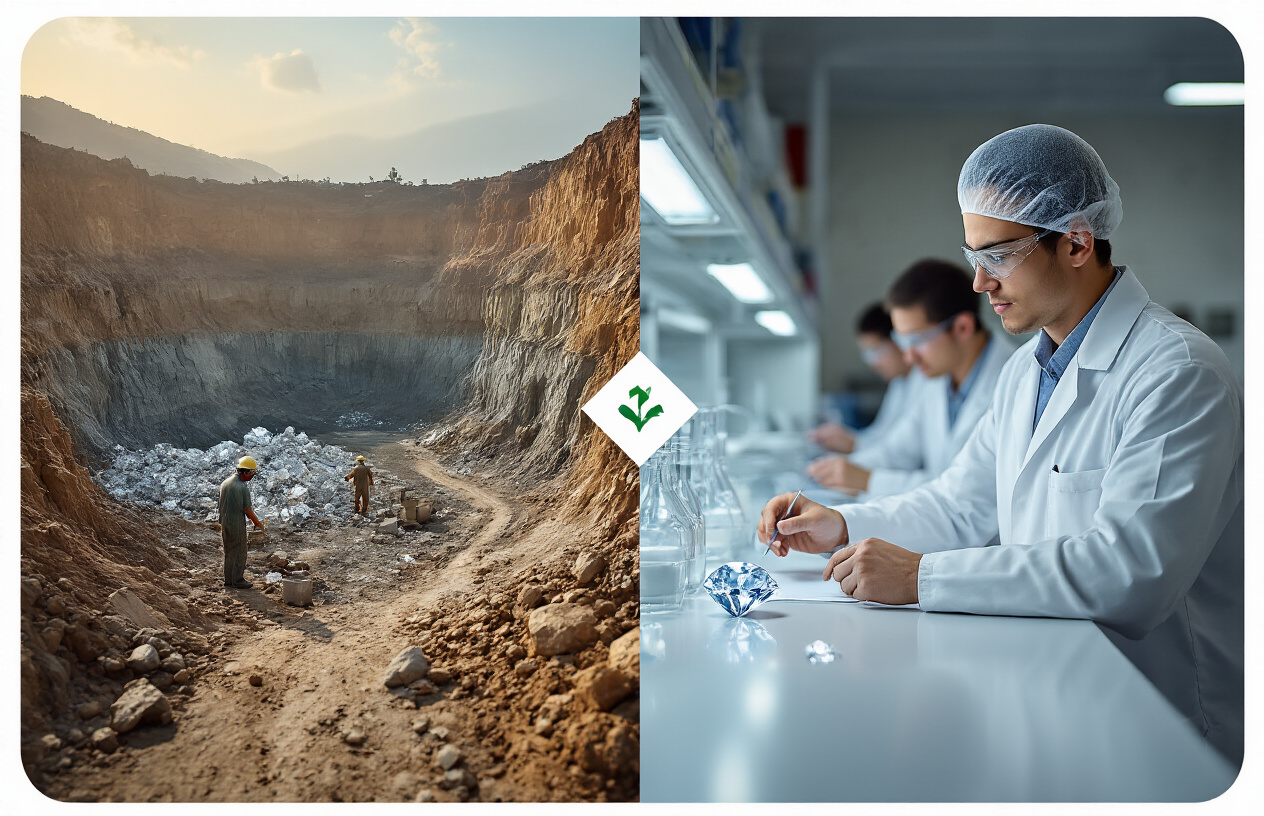
A. Environmental Impact of Diamond Mining
Traditional diamond mining wreaks havoc on ecosystems. Think massive pits, destroyed habitats, and polluted waterways. For every single carat of natural diamond, miners move nearly 100 square feet of soil and create carbon emissions that’ll make your head spin.
B. Carbon Footprint of Lab-Created Diamonds
Lab diamonds aren’t perfect environmental angels either. They require serious energy to create. But here’s the kicker – they produce about 1/7 the carbon emissions of mined diamonds. Plus, renewable energy is changing the game, making lab diamonds increasingly greener.
Quality and Certification Standards
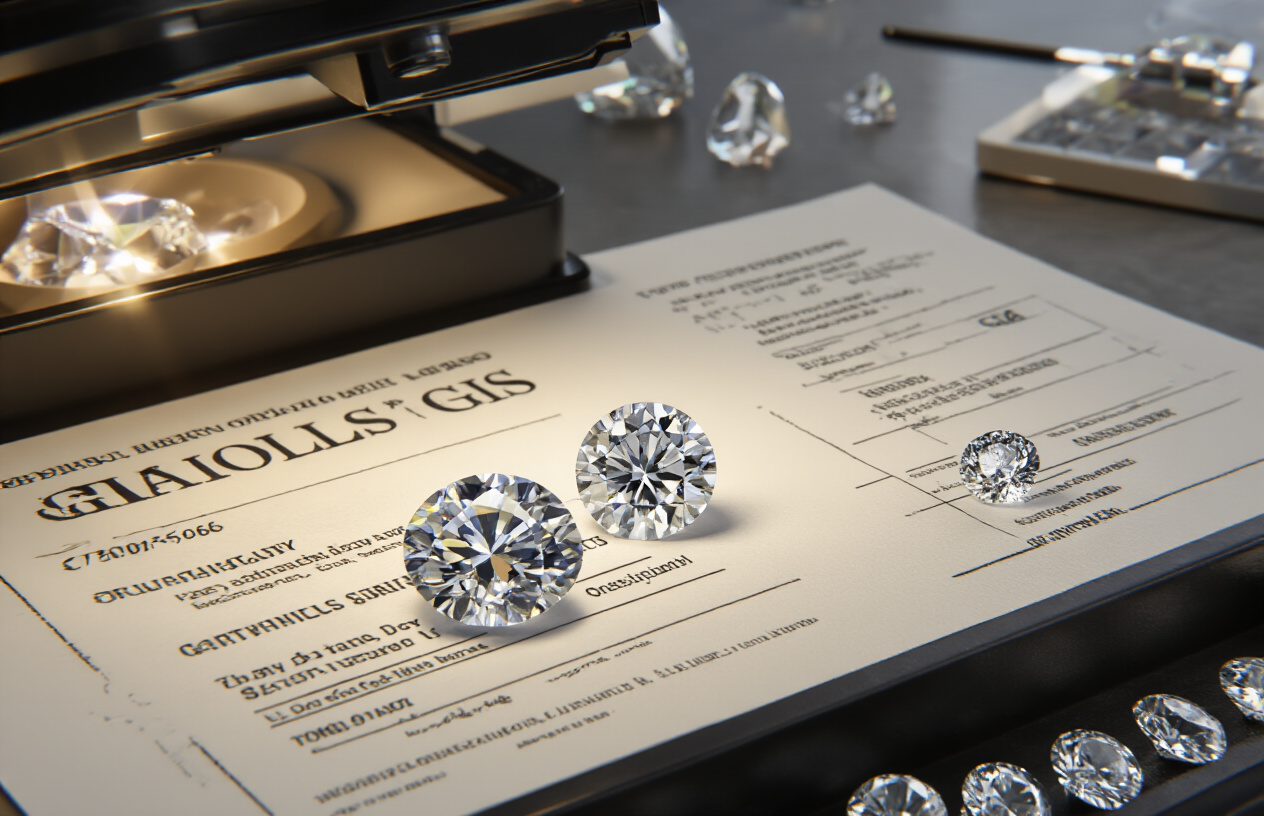
A. Grading Systems for Both Types
Ever looked at a diamond certificate and felt lost in the alphabet soup? Both natural and lab-grown diamonds use the same 4Cs grading system – Cut, Color, Clarity, and Carat. The kicker? Trained gemologists can’t tell them apart without specialized equipment. That’s right – visually identical, scientifically identical.
B. Certification Bodies and Their Credibility
The big players like GIA, IGI, and HRD grade both diamond types. But here’s what jewelers don’t advertise: IGI tends to be more lenient with lab diamonds while GIA has historically been stricter. Many Indian retailers strategically choose certification labs based on which will give their stones the most favorable grades.
Consumer Rights and Market Practices
A. Disclosure Requirements in India
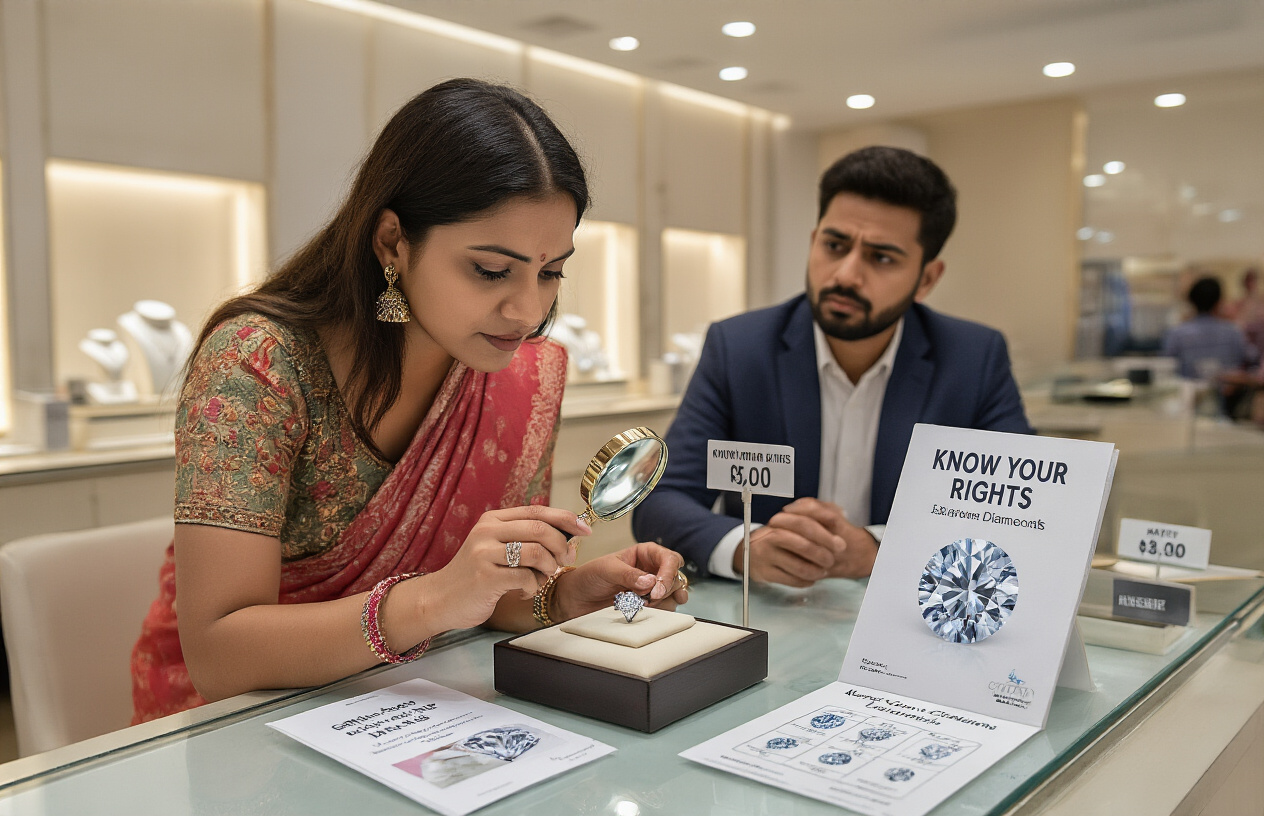
Indian jewelers must tell you if a diamond is lab-grown or natural – it’s the law. But many don’t, hoping you won’t ask and they can pocket the massive price difference. Always check the invoice for clear disclosure about what you’re actually buying.
B. Deceptive Marketing Tactics to Watch For
Watch out for vague terms like “diamond alternatives” or “created diamonds” without proper explanation. Some jewelers strategically place lab diamonds under dim lighting to hide differences or rush customers through comparisons. Trust your gut when something feels off.
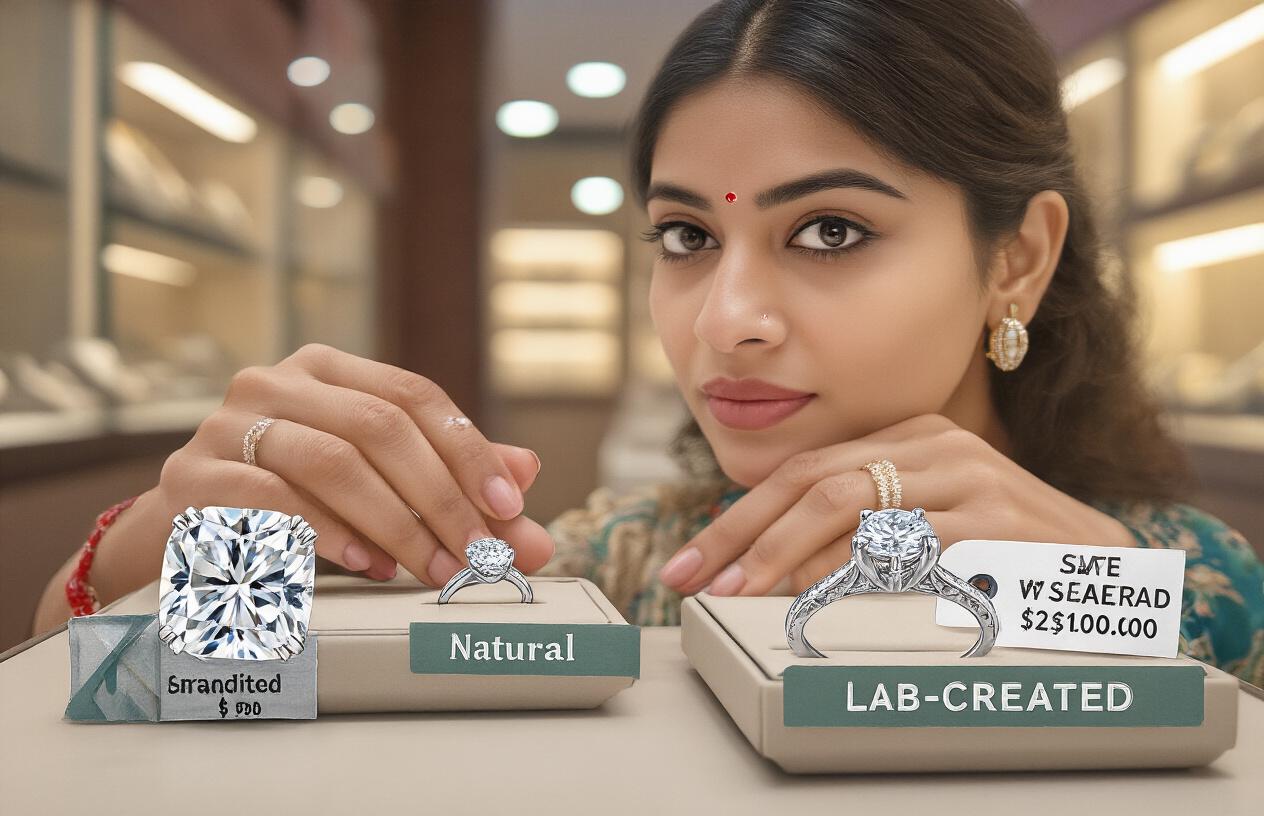
The truth about diamonds extends far beyond their sparkle. Natural diamonds command premium prices due to their rarity, traditional value, and the extensive mining operations behind them. Meanwhile, lab-created diamonds offer identical physical and chemical properties at significantly lower costs, with established certification standards ensuring their quality matches their mined counterparts. The ethical advantages of lab-grown diamonds—minimal environmental impact and guaranteed conflict-free status—present a compelling alternative to traditional mining practices.
As consumers, your right to make informed choices about diamond purchases depends on transparent market practices. Whether you choose natural or lab-created diamonds should reflect your personal values regarding budget, environmental impact, and ethical sourcing. The jewelry industry is evolving, and your awareness of these options empowers you to make decisions that align with both your aesthetic preferences and moral considerations.